Why Curiosity Matters More Than Grades
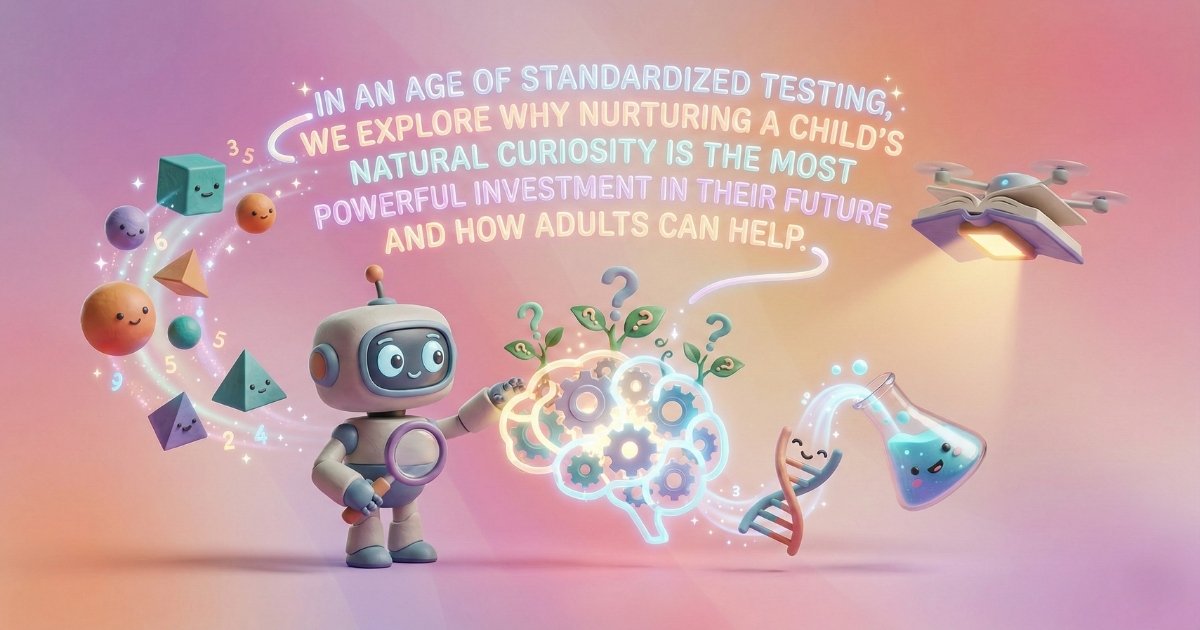
In an age of standardized testing, we explore why nurturing a child's natural curiosity is the most powerful investment in their future and how adults can help.
The Curious Crew
Every child is born curious. They ask relentless questions, poke at the world around them, and treat every day as an opportunity for discovery. Yet somewhere along the way, many children learn that the "right" answer matters more than the question itself.
The Curiosity Gap
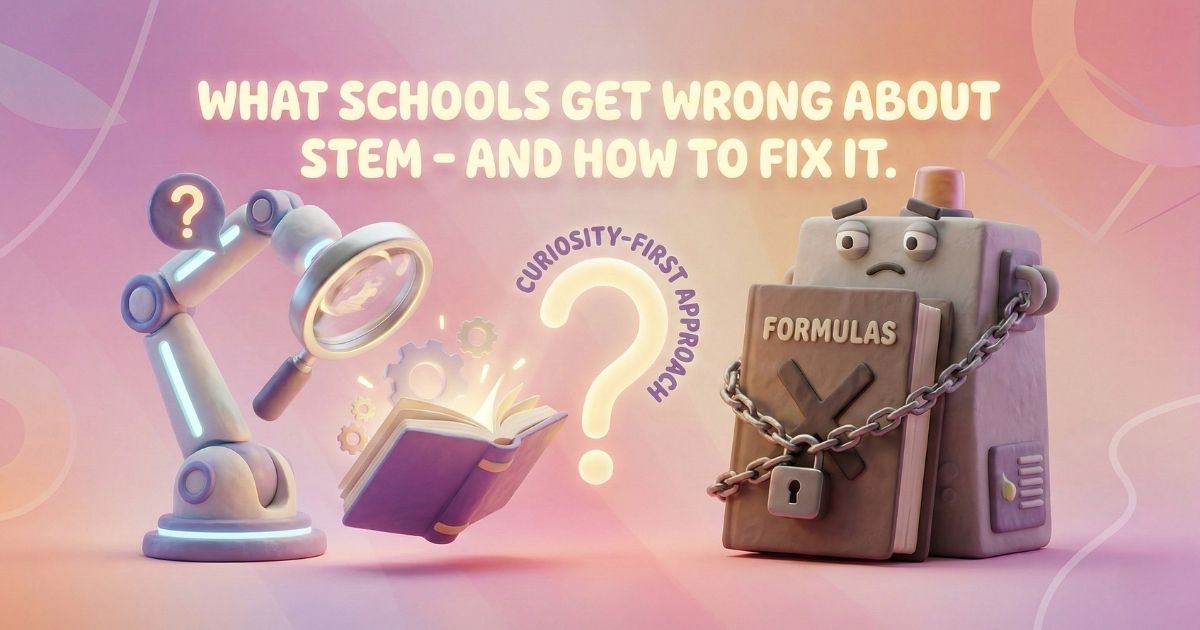
Research from the Harvard Graduate School of Education shows that curiosity is one of the strongest predictors of academic achievement - stronger than IQ alone. Yet our education systems often reward compliance over inquiry, memorization over exploration.
This creates what we call the curiosity gap: the space between a child's natural desire to understand the world and the structures that unintentionally suppress it.
What Curiosity-Led Learning Looks Like
Curiosity-led learning does not mean unstructured chaos. It means creating environments where questions are valued, where "I don't know - let's find out" is a perfectly valid response, and where the process of thinking matters as much as the conclusion.
At The Curious Crew, we design stories and conversation starters that model this approach. Our books don't end with answers - they end with more questions, inviting children and adults to explore ideas together. Discover how stories teach children to think, not just to listen.
How Parents Can Nurture Curiosity
- Follow their questions - resist the urge to redirect every conversation back to "useful" knowledge.
- Model wonder - let your children see you being curious about the world.
- Celebrate the process - praise effort and thinking, not just correct answers.
- Create space for boredom - unstructured time is where curiosity thrives.
- Start conversations - try our 10 conversation starters for curious families.
The Long-Term Impact
Children who learn to stay curious develop resilience, adaptability, and creative problem-solving skills - exactly the competencies they will need in a rapidly changing world. Curiosity is not a phase to grow out of; it is a lifelong human skill.